Gardener Dalston — Recycling and Sustainability in Our Green Spaces
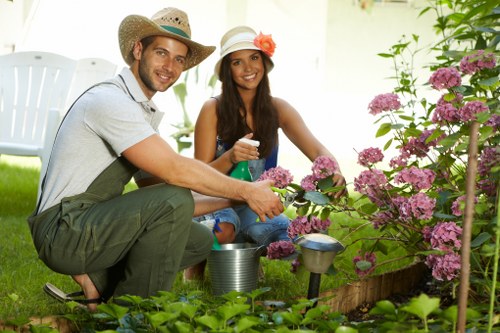 Gardener Dalston champions an eco-friendly waste disposal area approach across all garden projects. Our goal is to create a visible, practical model of a sustainable rubbish gardening area where soil, plant material and household green waste are treated as resources rather than refuse. With clear signage, colour-coded bins and staff trained in on-site sorting, we make separation simple for community gardeners, volunteers and event visitors.
We align our operations with the boroughs' approach to waste separation — including separate streams for food waste, garden waste, and dry recycling for glass, cans and plastics — so materials leaving our sites can feed existing local processing infrastructure. Local collaboration is essential: by coordinating with municipal collections and nearby transfer stations we reduce contamination, increase diversion rates and protect local soil health through proper composting.

Our Recycling Commitments and Targets
We’ve set a clear recycling percentage target to give our efforts measurable direction: a 70% diversion from landfill across our garden operations by 2030, with interim milestones reviewed annually. To reach this target we focus on prevention, reuse and closed-loop solutions — from salvaging timber for raised beds to converting green trimmings into compost on site. Key commitments include:- Source separation at collection points to reduce contamination.
- Prioritising reuse and repair before recycling.
- Tracking tonnage and fate of waste streams to measure progress.
Local Transfer Stations and Resource Hubs
We work with local transfer stations and materials recovery facilities in Hackney and neighbouring boroughs, ensuring that separated streams such as garden waste, food waste and dry recyclables reach the right processors. These transfer stations act as critical nodes that turn our community-collected streams into outputs: compost, recycled aggregates and reprocessed packaging. Our logistics plans specify drop-off windows that align with transfer station schedules to minimise wait times and idling.To support borough-level recycling schemes — for example, food-scrap collections and communal dry-recycling points — we adopt compatible sorting categories so that our loads are accepted without additional sorting. We also operate on-site compost bays and hot and cold composting strategies depending on the volume and contamination levels of green waste, turning trimmings into nutrient-rich compost for growing beds.
Partnerships with Charities and Community Groups
Partnerships are a cornerstone of our sustainable rubbish gardening area model. We collaborate with local charities to divert usable items and materials — plant pots, tools, timber and surplus soil — to community projects and social enterprises. These partnerships enable circular flows of resources and provide social value: charities can refurbish and redistribute garden kit, while community groups gain access to affordable materials. Our key charitable collaborations include donation drives, shared composting schemes and material exchanges that prioritise reuse.
Low-Carbon Logistics and Fleet
Our collection and delivery fleet is designed to reduce transport emissions in Dalston's dense urban environment. We operate low-carbon vans — including electric vehicles and hybrid models — and deploy cargo bikes for short, high-frequency trips to nearby transfer stations and community hubs. Route optimisation technology reduces mileage and idling, and consolidated loads lower the number of journeys required. Low-emission transport is critical to keeping our overall carbon footprint minimal while maintaining reliable service for green-space maintenance.We also audit vehicle emissions and set fleet decarbonisation milestones. Where feasible we prioritise loading patterns and scheduling that permit swapping a van trip for a cargo-bike run, which reduces congestion and emissions on narrow residential streets. This approach supports both an eco waste disposal ethos and better air quality in local neighbourhoods.
Practical Sustainable Practices for Gardens
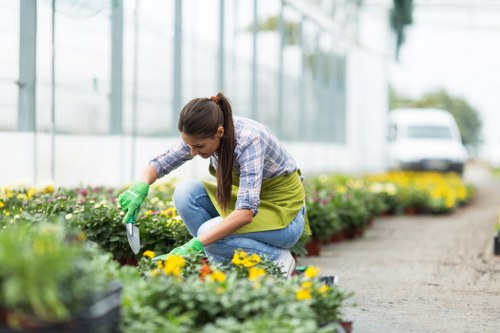
On the ground, our sustainable rubbish gardening area practices are practical and replicable: we use on-site composting, mulching of prunings, rainwater harvesting, and the reuse of reclaimed timber for beds and trellises. Typical activities include:- Segregated collection points for green waste, food scraps and dry recyclables.
- Community composting hubs turning garden cuttings into soil conditioner.
- Tool libraries and material swaps to extend product life and reduce purchases.
Measuring Progress and Continuous Improvement
We measure progress through regular audits of waste streams, weights recorded at transfer stations and reports on reused and donated items. By analysing these metrics we can refine bin signage, adjust logistics and strengthen charity partnerships. Our recycling percentage target is not just a headline: it informs procurement, site layout and volunteer training so every action supports a higher diversion rate.We publish summaries of performance internally and adapt quickly to changes in borough waste policy or processing capacity. Learning by doing helps us scale successful practices across multiple sites while keeping the core values of resource efficiency and community benefit at the centre.
Join our vision: Gardener Dalston is committed to creating exemplars of an eco-friendly waste disposal area and a resilient, sustainable rubbish gardening area across the borough. Through clear targets, strategic partnerships with transfer stations and charities, and low-carbon transport solutions, we turn garden waste into opportunity: healthier soils, more accessible community resources and lower environmental impact.